
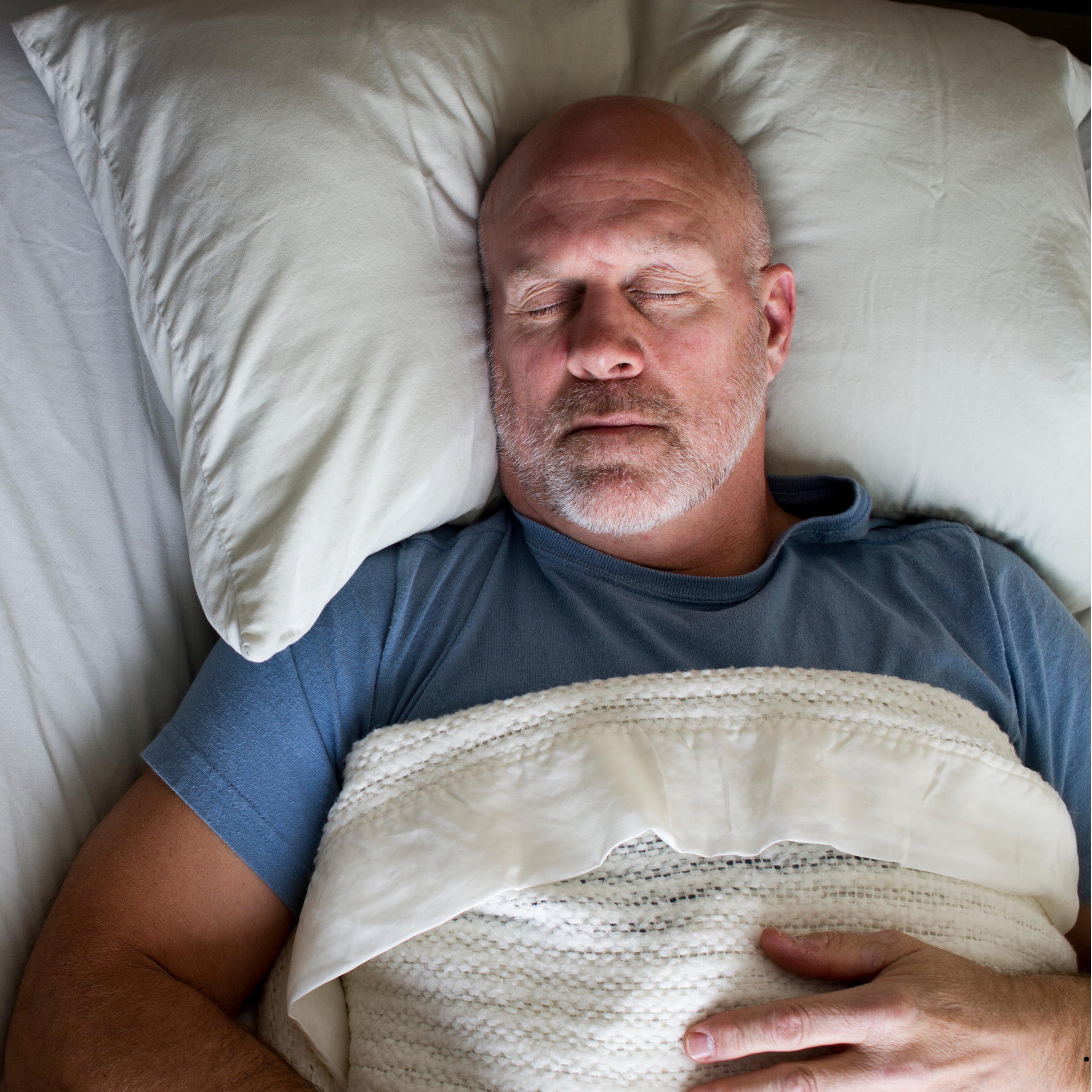
Comfort is King when it comes to Sleep Apnea.
Custom-fitted dental devices are FDA cleared for mild to moderate sleep apnea. No mask, hose, or noise.
Studies show 90% of patients wear their dental device nightly, versus only 50% for CPAP. Comfort and compliance matter.
Complimentary screenings, devices for every budget, and even subscription options make getting started fast and easy.
Not sure if a dental device is right for you?
Try our custom device for $399. Sleep with it, travel with it, live with it. If it doesn't work for you within 30 days, return it, no questions asked. If you love it, and most patients do, pay the remaining balance to own it outright, or keep it for just $20 a month.
Obstructive sleep apnea occurs when the airway becomes blocked, most commonly by the base of the tongue. As you fall asleep, the muscles of the tongue relax and partially or fully collapse into the airway, interrupting your breathing throughout the night. Oral appliance therapy addresses this directly: a custom-fitted dental device gently advances the lower jaw (mandible) just a few millimeters forward, which repositions the tongue away from the airway and keeps it open while you sleep. Unlike CPAP machines, oral appliances are small, silent, and require no mask or tubing, which is why patients consistently wear them. Higher nightly compliance means more restful sleep and better long-term outcomes, making dental devices a highly effective treatment option for mild to moderate obstructive sleep apnea.
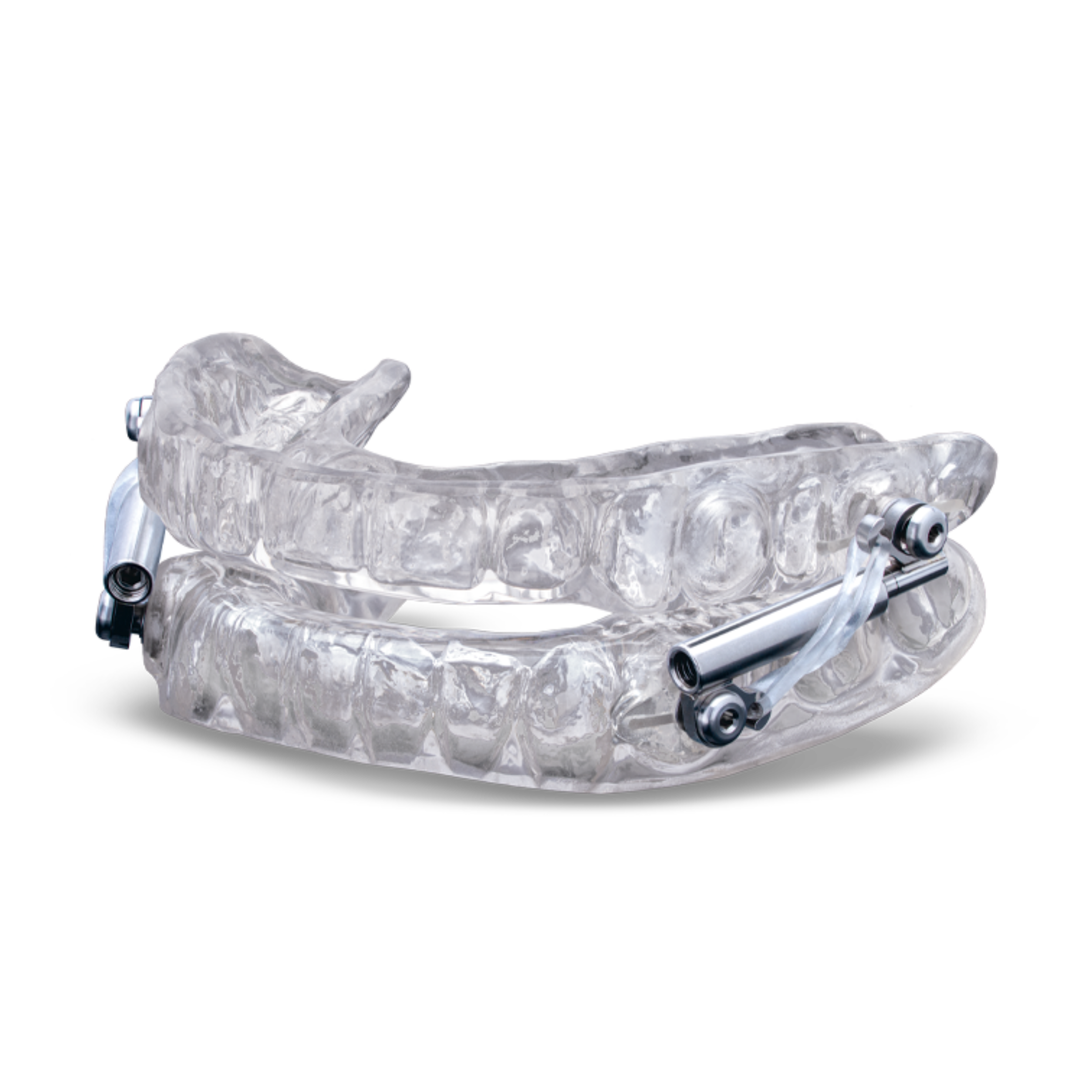
How do dental devices for sleep apnea work?
Better nights, better days.
-
OSA can decrease the quality and length of your life.
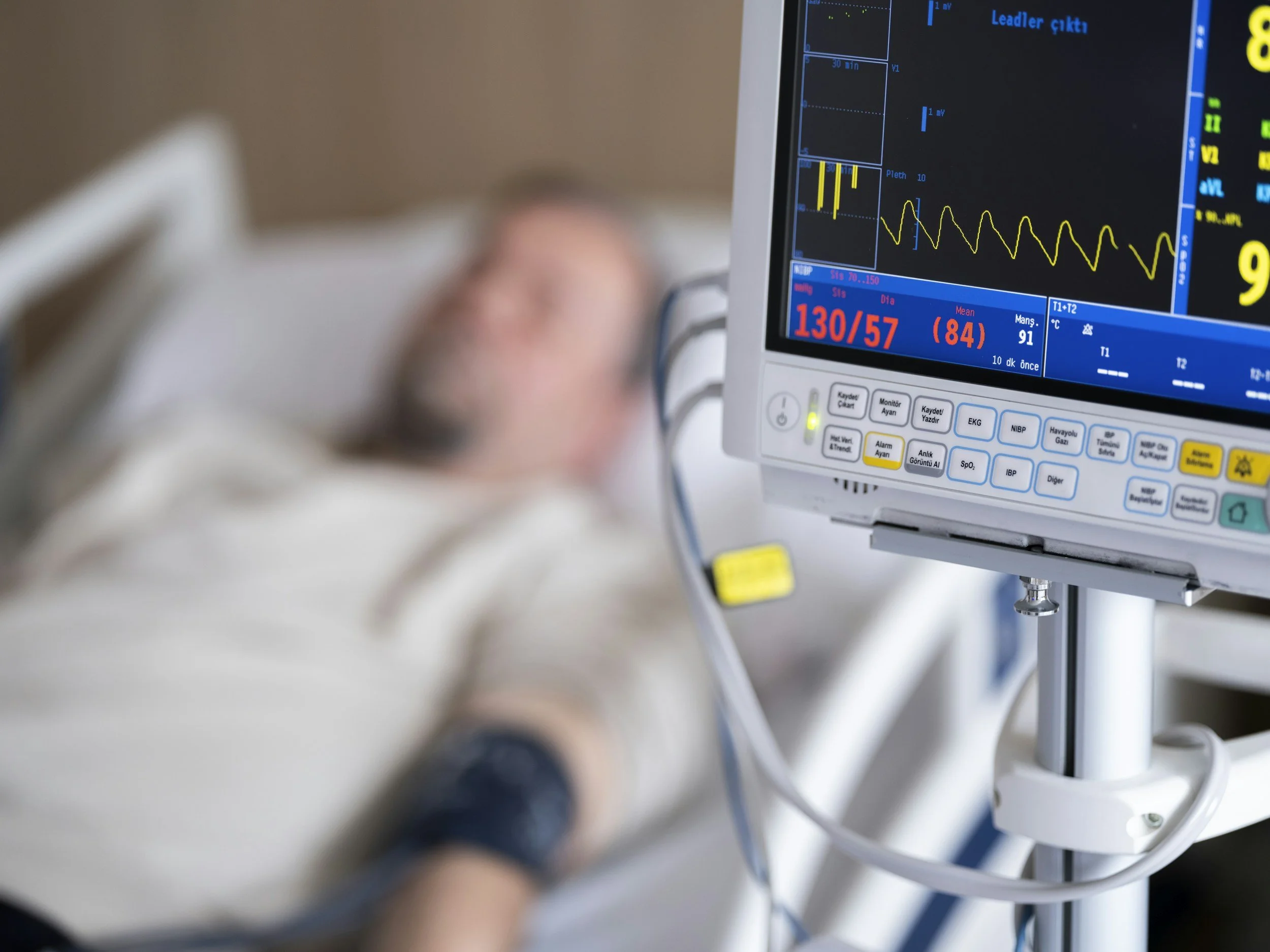
A surprising number of heart attacks occur between 3:00 and 5:00 AM. For those with Obstructive Sleep Apnea (OSA), this isn't a time for rest; it’s a time of extreme physical stress. While you should be recovering, your lungs are fighting for air each time your airway collapse causing a tremendous strain on your heart.
-
Could you have OSA? Get a diagnosis.
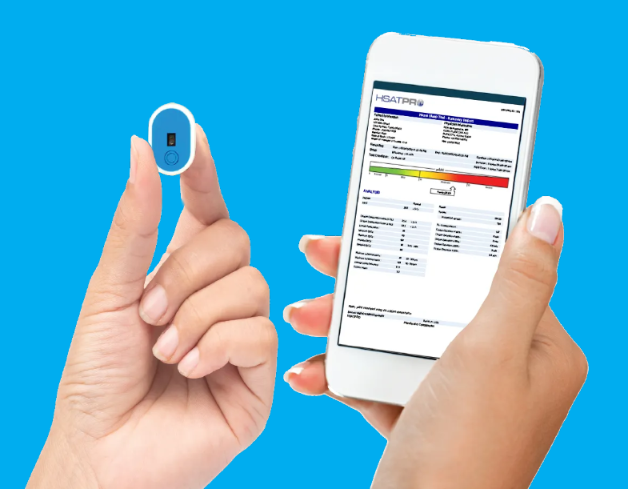
Sleep apnea is measured by how many times an hour a patients airway is obstructed. A simple sleep test can tell you if you have obstructive sleep apnea, its severity, and if you are a candidate to treat it with dental device. Work with your own physician, or one of our physician partners for as little as $225.
-
Sleep apnea treatment options.
Dental devices have been FDA cleared to address mild and moderate OSA. They work by gently advancing the jaw and opening the airway. Eligible patients will be scanned for a custom made, comfortable, low profile device. Our direct to consumer devices offer high-end, affordable device options for patients with or without insurance coverage. See Pricing.
FAQs
Why is addressing sleep apnea important?
1
Sleep apnea occurs when breathing is repeatedly interrupted during sleep. This prevents deep, restorative rest and can increase the risk of health problems such as heart disease, stroke, diabetes, erectile dysfunction, and memory decline. Daytime fatigue from untreated sleep apnea can also affect performance, mood, and driving safety.
How do I know if I just snore, or if I have sleep apnea?
2
The only way to know with certainty is with a sleep study ordered by a physician. During your initial consultation, we use research backed screenings to help determine whether a sleep study is the appropriate next step.
I struggle with CPAP. Is a dental device a good option?
3
CPAP works very well, but only when it is worn. Dental devices are FDA cleared for mild to moderate obstructive sleep apnea and are often easier to tolerate, leading to better nightly use for many patients
How much does a device cost?
4
Devices fees are dependent on the specific device chosen. We’ll show you the options, and let you decide. Subscription options are also available for patients who are unsure if a dental device is the right choice. Call for details. HSA and FSA funds can be used for treatment.